

Screen Time in Early Childhood Music — Finding Balance From 15 Years of Teaching
Screen Time in Early Childhood Music — Finding Balance From 15 Years of Teaching
What I’ve Seen After 15 Years of Teaching
In my 15 years of teaching, I’ve seen firsthand how screen time in early childhood music affects the way children react once class begins.
Some kids spend a lot of time on screens, and some aren’t permitted— and the difference in how they engage with live music is noticeable almost immediately.
To learn more about how we structure our classes without screens or digital engagement, visit our
👉 Early Childhood Music Classes page.

What I’ve Actually Seen in the Classroom — Before and After Screens
I’ve noticed that children who are using screens on the way into class or wanting them during class tend to engage less when the music starts. Their attention stays partly with the device or the expectation of the device.
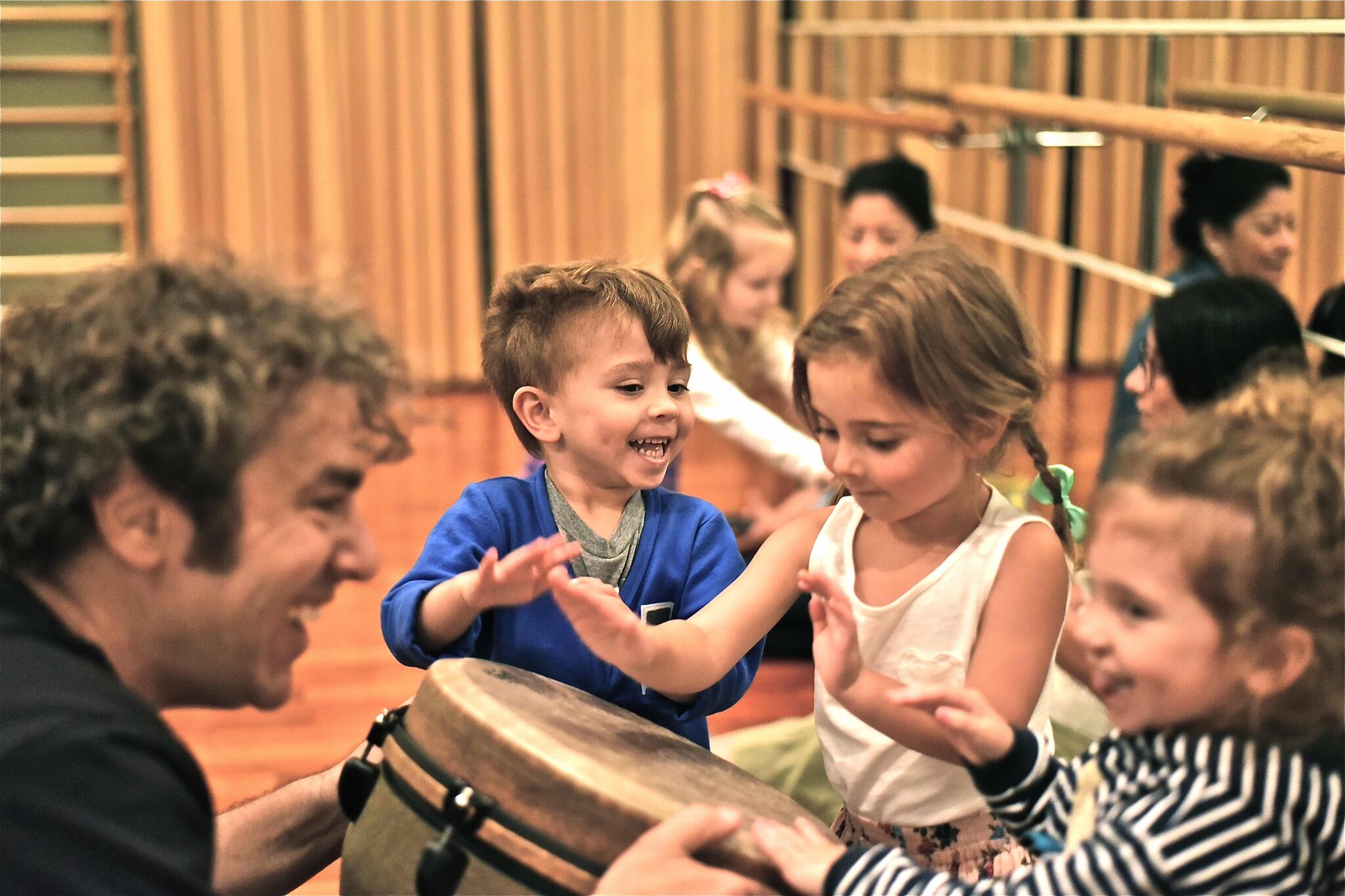
After 15 years of doing this, I know for a fact that my classes before iPhones, Instagram, and TikTok were more upbeat. People were more engaged. The children danced more. They moved more and they interacted with the room and with each other.
Today, it can be harder to get anyone to stand up. The energy has shifted. There’s a noticeable difference in how quickly children settle into a live musical moment.
But somehow, I still attract the right families. And when they’re in the room, we have joyful, loving classes. We still raise the roof — it’s just different now.
If you’re curious how this plays out in school settings, check out our
👉 School Music Programs.
Why Screen-Free Moments Lead to Better Musicality
Children who don’t use screens as often at home are spending that extra time doing other real-world activities. They figure out how to occupy themselves, explore objects, play, and stay present.
Those skills translate beautifully into music class.
Kids who spend more time in real-world play:
-
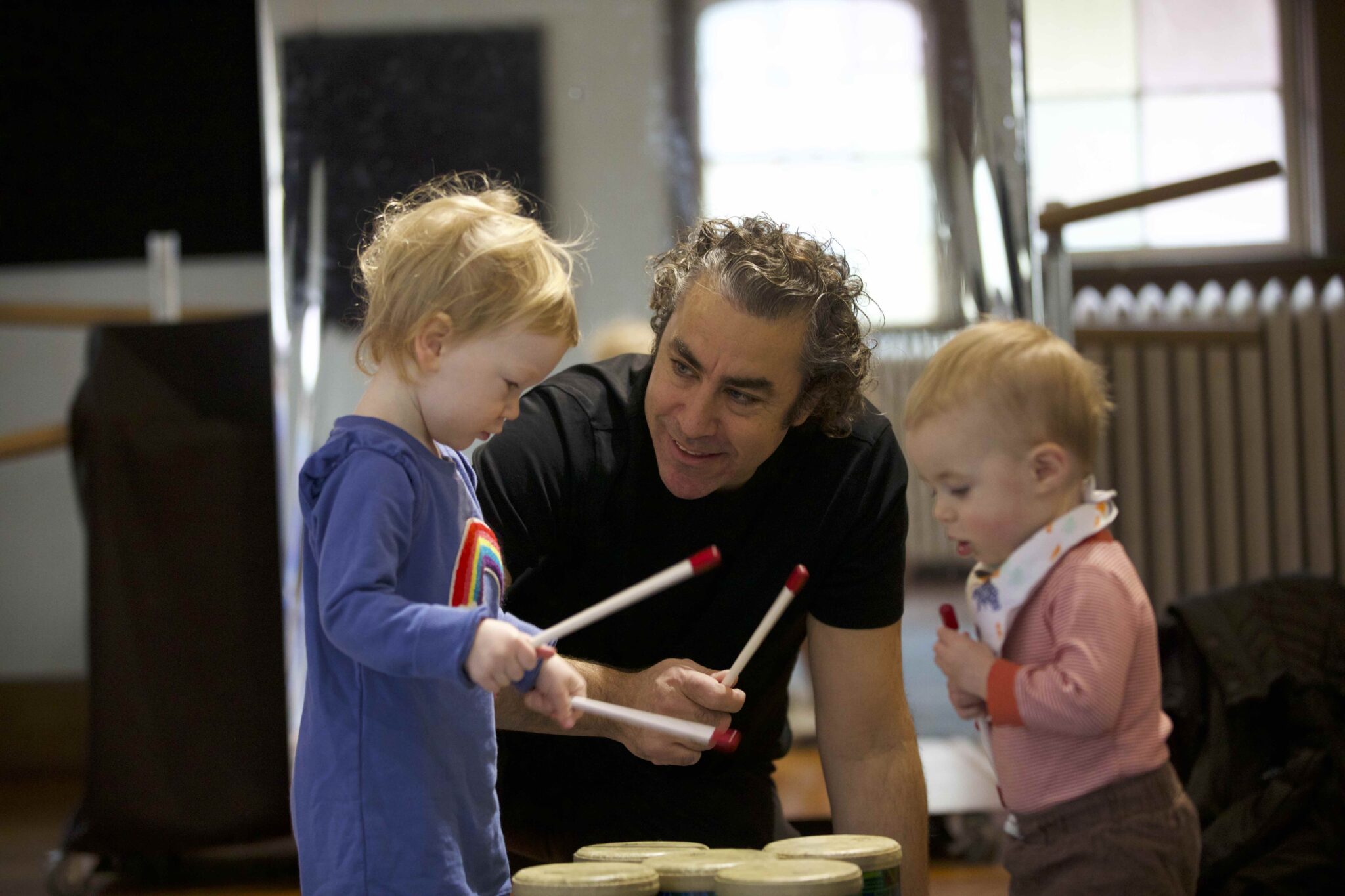
Make eye contact more easily
-
Follow the energy of the room
-
Engage with instruments and with me more naturally
-
Show better musicality overall
Meanwhile, children who spend more time on screens or watching TV — and I can usually tell with surprising accuracy — often come in more distracted. It’s not “wrong.” It’s simply what their brains have practiced.
If you want to understand the philosophy behind our approach, you can learn more on the
👉 About Rockness Music page.
Moderation, Not Guilt — Because We All Use Screens
This is not about blame.
We all use screens.
Parents aren’t at fault. Life is busy. Screens help.
No one taught us how to use smartphones — this is all brand-new to the world. For helpful guidance from a trusted resource, see the PBS article on managing children’s screen time.
My own father is a screen-ager. He spends more time on his phone than looking at me when we’re in the same room — and I don’t take offense. It just shows how easy it is to get absorbed.
This is about simple awareness. From here, small adjustments can bring more presence, happiness, and engagement — especially in a live music class.
And yes, we still raise the roof — especially at our Birthday Parties.

If you’d like additional guidance on balancing digital life with real-world play, here’s a helpful resource from the American Academy of Pediatrics.
See you in the circle,
Mr. Michael 🎸
Rockness Music
Further reading: American Academy of Pediatrics — healthy digital media habits for young children (moderation and co-engagement over guilt)
Quick answers
How does screen time affect kids in music class?
After 15 years of teaching, Mr. Michael sees clearer engagement, eye contact, and musical response when phones stay away before and during class. Kids mirror the attention grown-ups give the room.
Should parents feel guilty about using screens?
No — the Rockness message is moderation, not guilt. Everyone uses screens. The goal is protecting a few phone-free windows (like music class) so kids can connect through sound and play.
Why do screen-free moments help musicality?
Musicality grows from listening, imitation, and shared attention. When screens compete for focus, those tiny call-and-response moments are harder to notice and practice.